
 1 / 6
1 / 6
Location
Visitor tip
Get a map and self-guided tour key at the entrance to navigate the historic campus efficiently. The grounds are expansive with Mill Creek running through, and self-guided tours allow you to set your own pace through the buildings and machinery.
Best time
Visit during special events like the Christmas market with period-costumed tour guides and blacksmith demonstrations, or Juneteenth events, for enhanced educational experiences beyond the standard exhibits.
About Willamette Heritage Center
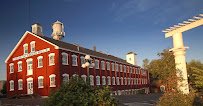
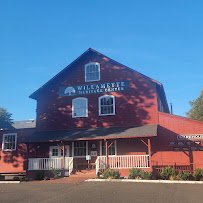
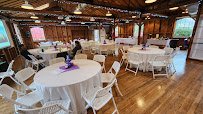
Wool-making exhibits, a cafe & shops. Victorian-era, water-powered mill turned wool-making museum, with exhibits, a cafe & shops.
Quick Facts
- Type
- Natural History Museum
- Historic Structures
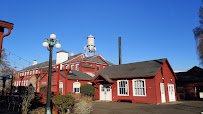
- 14 historic buildings on 5-acre property
- Key Highlight
- Thomas Kay Woolen Mill (National Park Service American Treasure)
- Features
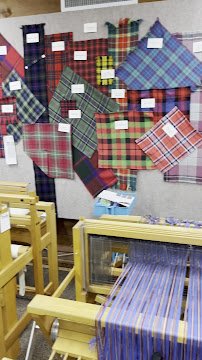
- Textile learning center, research library, cooperative artist studios
What visitors say
Lovely Christmas lights, history, and charm for the holiday. Great market, carrolers, and tour guides in period costumes. Great blacksmith and nice tour of the mill, and charming historic campus with Mill Creek running through it.
We visited a few museums on our trip and this was by far, our favorite! We really enjoyed watching the machines and learning about the history. So many cool houses to visit, as well. There’s definitely something for everyone! Would…
How had I never heard of this place?! It would be perfect for a school field trip, and it is a lovely venue for a reception or banquet. Walking through the mill gave me a chance to appreciate all the woven things we take for granted.…
From 880 Google reviews Read all reviews
Did You Know?
- The Thomas Kay Woolen Mill, built in 1895-1896, features water-powered machinery that converts raw wool into fabric through a multi-step process visible across two floors, demonstrating 19th-century industrial textile production
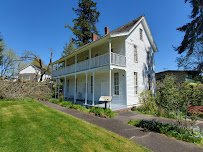
- The museum complex includes five historic buildings spanning from 1841 to 1858, including the Jason Lee House (1841), John D. Boon House (1847), and Pleasant Grove Church (1858), providing a comprehensive view of early Oregon missionary and settler history
- The center operates a textile learning center with looms on the fourth floor of the Mill building where visitors can watch artisans actively weaving fabric and ask questions about the craft
Other Children's Museums in Salem

More Family Fun Nearby
Other venues within driving distance:

Own this venue? Stand out from the competition.
Children's Museums listings that are Featured get seen first by thousands of families every month.
- Priority placement in search
- Photo gallery showcase
- Insider tips from visitors
- Highlighted in dedicated featured section